

1. Medical Device Power Backups
- Identify medical devices that require electricity, including oxygen concentrators, CPAP machines, powered wheelchairs, and refrigerated medications.
- Ask your medical equipment provider about backup batteries and approved power options.
- Keep backup batteries charged and test them regularly.
- Contact your electric utility about medical priority or outage notification programs.
- Have a transportation plan if an extended outage makes staying home unsafe.
- Keep emergency contact numbers and equipment instructions accessible.
Important: Never rely on a portable generator indoors or in an attached garage. Generators must remain outdoors, away from windows and doors.
2. Prescription & Medication Organization
- Maintain at least a 7-day emergency supply of essential medications when legally and medically possible.
- Keep an updated medication list with dosages, allergies, and prescribing doctors.
- Store prescriptions in clearly labeled containers.
- Use a weekly pill organizer if appropriate.
- Keep copies of prescriptions and insurance information in a waterproof document bag.
- Know which medications require refrigeration and have a safe backup storage plan.
3. Build a Personal Support Network
Don’t wait until an emergency to figure out who can help.
- Identify at least three trusted people who can check on you.
- Share emergency contact information with family, friends, or neighbors.
- Establish a daily check-in system during severe weather.
- Identify someone who can assist with transportation.
- Make arrangements for service animals and mobility equipment.
- Keep a written evacuation and communication plan.
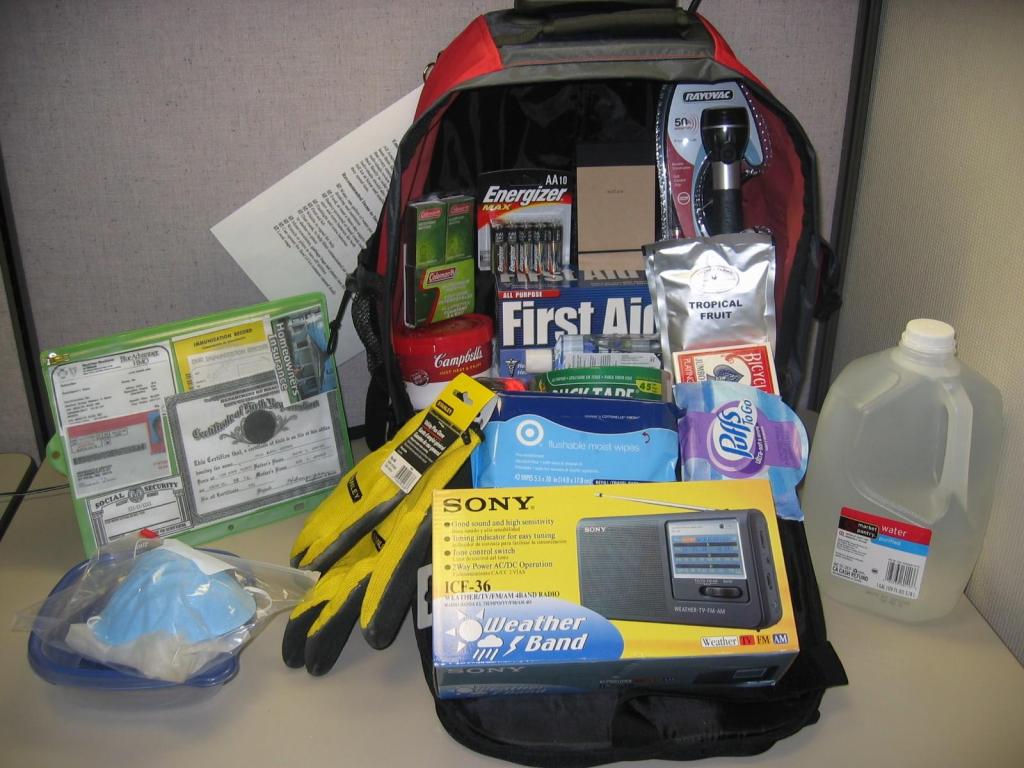
4. Build a Personalized Emergency Kit
| Essential supply | Recommended preparation |
|---|---|
| Drinking water | 1 gallon per person daily |
| Food | Several days of easy-to-prepare meals |
| Medications | Emergency supply when possible |
| Medical records | Printed copies in waterproof storage |
| Lighting | Flashlights and spare batteries |
| Communication | Charged phone and backup power bank |
| Mobility | Spare mobility equipment supplies |
| Personal care | Hygiene and incontinence supplies |
| Medical equipment | Approved backup power solutions |
5. Don’t Forget About Accessibility
- Keep hallways and exits clear of obstacles.
- Have written instructions for caregivers.
- Keep hearing aids, glasses, and mobility aids accessible.
- Prepare communication cards for people who have difficulty speaking.
- Consider visual and audible emergency alerts.
- Identify accessible transportation and shelter options ahead of time.
The Appalachian Traders Preparedness Reminder
Preparedness isn’t just about stockpiling food, buying equipment, or preparing for severe weather. It’s about making sure our neighbors, elderly family members, and people with disabilities aren’t left behind.
Start small. Make a medication list, check on a neighbor, charge a backup battery, and build a support network.
Preparedness is for everyone. Nobody should be left behind.


Leave a Reply