
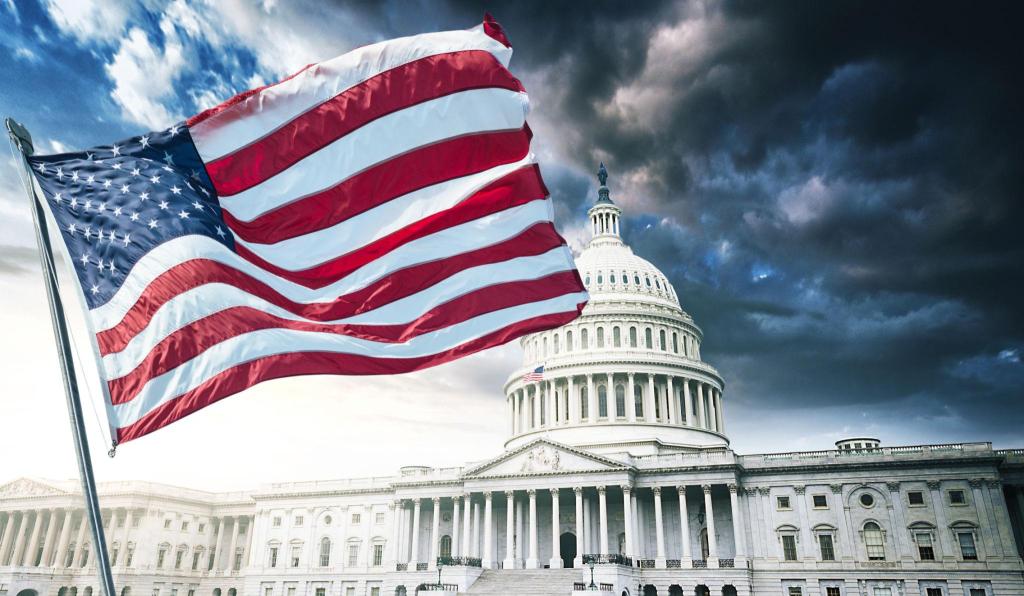
Tomorrow, November 3, Americans head to the polls for the 2026 midterm elections. The outcome will help determine which party controls Congress and how the final two years of President Donald Trump’s term unfold.
But the election itself is only one part of the story.
With political divisions, immigration enforcement disputes, demonstrations, election monitoring, and concerns about how results will be accepted, Americans are facing another period of uncertainty.
What happens if one side refuses to accept the results? What if demonstrations grow? Could the president invoke the Insurrection Act? Could disagreements over immigration enforcement and federal involvement create confrontations?
These are questions worth understanding, without assuming the worst will happen.
For everyday Americans, the most important question is simpler:
If things become unsettled in your community, is your household prepared to take care of itself?
1. What happens after the election?
There are several possible outcomes.
- Republicans retain control of Congress: The president could have a more cooperative legislative environment.
- Democrats gain control of one or both chambers: Congressional investigations, oversight, budget negotiations, and legislative disagreements could intensify.
- A closely divided Congress: Negotiations and political gridlock could become more common.
Remember, these are midterm elections. Trump remains president regardless of which party wins congressional seats.
The bigger question may be how political leaders, voters, and the public respond to the results.
2. What if both sides challenge the results?
Election disputes are not exclusive to one political party.
Republicans and Democrats have both challenged election outcomes, questioned procedures, organized demonstrations, and pursued legal challenges in different elections.
Following this election, we could see:
- Demonstrations supporting or opposing election results.
- Legal challenges and requests for recounts.
- Disputes over ballot counting and certification.
- Accusations of election interference.
- Political demonstrations at government buildings.
- Increased tensions between opposing political groups.
A disputed election does not automatically mean widespread violence. Courts, election officials, state certification procedures, and established legal processes remain important parts of resolving disagreements.
The American public should also be careful about information circulating on social media. An unverified video or false claim can spread faster than an official explanation.
3. Immigration protests and polling-place concerns
Immigration enforcement has become a major point of political disagreement.
Some Democratic organizations and voting-rights groups have organized election monitoring efforts because of concerns about potential ICE activity near polling locations. Republican organizations are also organizing election observers and poll workers.
These efforts are not necessarily protests, and monitoring a polling place is not the same as disrupting voting.
However, tensions could arise if demonstrators, counter-demonstrators, federal personnel, and election observers converge in the same area.
There are important legal protections here:
- Americans have the right to peaceful political protest.
- Voters have the right to access polling places without intimidation.
- Federal law prohibits voter intimidation.
- Federal law generally prohibits deploying troops or armed personnel to polling places, subject to a narrow exception involving repelling armed enemies.
The important distinction: Peaceful protest is a constitutional right. Threatening voters, blocking access, or interfering with an election is a different matter.
4. Could Trump invoke the Insurrection Act?
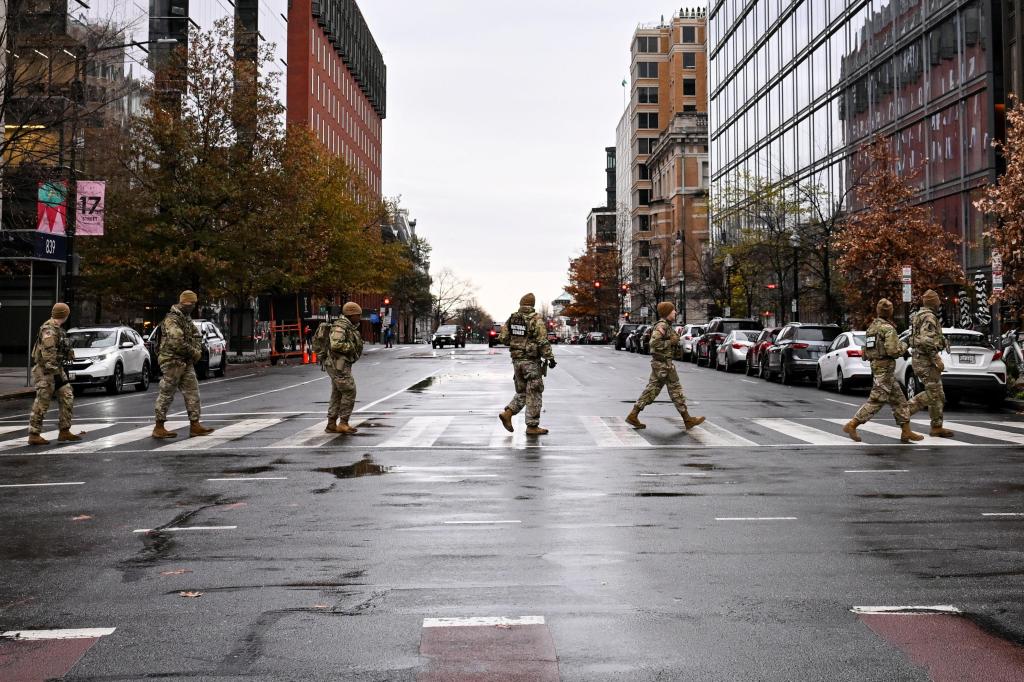
One subject receiving attention is the Insurrection Act of 1807.
This federal law gives the president certain powers to deploy military forces domestically under specific circumstances.
Under 10 U.S.C. Sections 251–253, the law addresses situations involving insurrection, obstruction of federal law, and circumstances in which constitutional rights cannot be protected by state authorities.
There are different provisions:
- Section 251: Allows federal military assistance following a request from a state’s legislature or governor under the circumstances specified by law.
- Section 252: Allows presidential action when unlawful obstructions or rebellion make enforcing federal law through ordinary judicial proceedings impracticable.
- Section 253: Addresses certain insurrections, domestic violence, and obstruction of federal or constitutional rights.
Could the administration consider invoking this authority if serious unrest develops?
Yes, it is a legal possibility. But that does not mean ordinary protests automatically qualify.
Peaceful demonstrations, criticism of the president, or disagreement with immigration enforcement do not by themselves establish the statutory conditions for invoking the act.
There are also constitutional limitations, legal challenges, and other federal laws governing military involvement in domestic affairs.
The Insurrection Act is an extraordinary legal authority, not a general presidential power to suppress political opposition.
5. Could America experience civil conflict?
This is a question many Americans are asking.
There are several levels of potential disruption worth understanding:
Level 1 — Political demonstrations
Large gatherings, marches, counter-protests, and public disagreements.
Level 2 — Localized unrest
Isolated confrontations, property damage, temporary road closures, and increased police activity.
Level 3 — Wider disruptions
Multiple communities experiencing demonstrations, transportation interruptions, business closures, and heightened security measures.
Level 4 — Severe national instability
A prolonged constitutional crisis, widespread political violence, or serious disruptions to essential services.
These are planning scenarios, not predictions. There is no basis to assume that a nationwide civil conflict will follow the election.
However, responsible preparedness means recognizing that even localized disruptions can affect ordinary families.
6. What should everyday Americans prepare for?
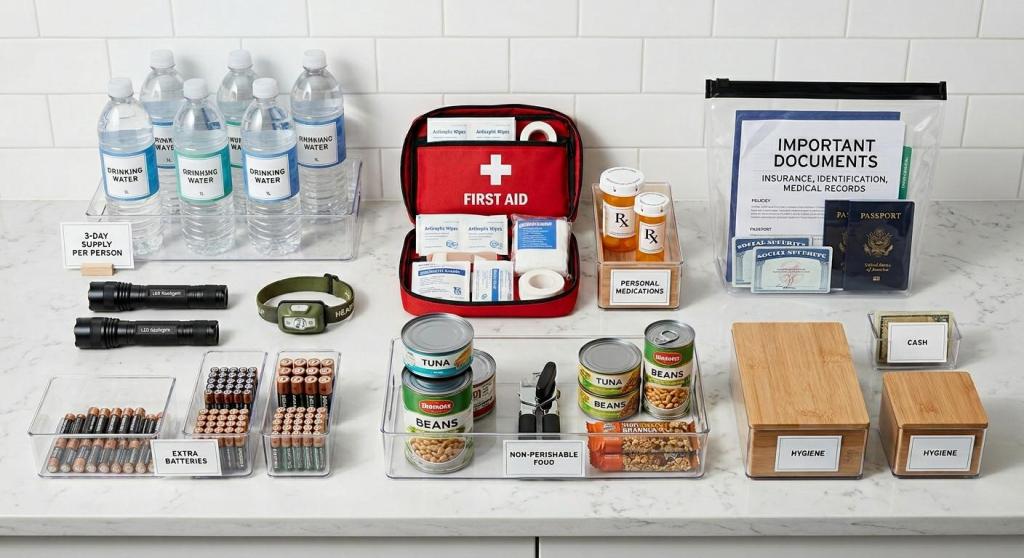
This is where we need to shift our attention away from political arguments and toward practical household preparedness.
You don’t need expensive equipment, a bunker, or a warehouse full of supplies.
You need the basics.
Food
- Canned vegetables and fruit.
- Beans, rice, pasta, and oatmeal.
- Peanut butter.
- Shelf-stable milk.
- Cooking oil.
- Foods your family already eats.
- Manual can opener.
Start with a two-week supply and build gradually.
Water
- Store at least one gallon per person per day.
- Aim for a minimum of 14 days where practical.
- Include additional water for pets.
- Have a safe water purification option.
- Keep containers properly sealed and stored.
Power and lighting
- Flashlights and extra batteries.
- Battery-powered or hand-crank radio.
- Power banks.
- Portable charging cables.
- Backup lighting.
- A safe backup cooking arrangement.
Medical and household supplies
- First-aid kit.
- Prescription medications and necessary medical supplies.
- Hygiene products.
- Toilet paper.
- Trash bags.
- Cleaning supplies.
- Important family documents.
Financial preparedness
- Keep some emergency cash in small denominations.
- Avoid unnecessary purchases.
- Maintain a little extra fuel when practical.
- Know your monthly expenses.
- Have a plan if you cannot get to work for several days.
7. Have a family communication plan
One of the most overlooked parts of emergency preparedness is communication.
Make sure everyone in your household knows:
- Who to contact if phone service becomes unreliable.
- Where to meet if separated.
- How to receive emergency alerts.
- Which roads provide alternate routes.
- Where important documents and medications are kept.
Avoid demonstrations and confrontations if tensions rise near your community.
You do not need to attend a protest, argue with strangers, or put yourself in the middle of political disagreements.
Your responsibility is to protect your household and make sound decisions.
8. Don’t let politics replace common sense
There will always be disagreements in American politics.
Some people will celebrate election results. Others will be disappointed. Some will question the outcome, while others will defend it.
That is part of living in a country where people have different political beliefs.
But we should all be able to agree on a few basic things:
- Families deserve safe communities.
- Americans deserve the right to vote.
- Peaceful protest should be protected.
- Violence and voter intimidation should not be tolerated.
- Essential services should remain available.
- Neighbors should look out for one another.
Preparedness isn’t Republican or Democrat. It isn’t about predicting the collapse of America.
It’s about being able to handle an unexpected situation without depending entirely on someone else.
9. The Appalachian Traders preparedness challenge
We encourage every household to take the next 30 days seriously—not because disaster is guaranteed, but because preparation is easier before an emergency.
Our recommendation:
| Timeframe | Preparedness goal |
|---|---|
| First 72 hours | Food, water, lighting, first aid |
| First 7 days | Household essentials and medications |
| First 14 days | Expanded food and water reserves |
| First 30 days | More self-reliance and backup plans |
You don’t have to buy everything at once. Purchase a few additional items during each shopping trip and rotate what you store.
Final thoughts: Prepare, don’t panic
America has experienced political disagreements, protests, economic uncertainty, and periods of civil unrest before.
We don’t know exactly what will happen after November 3. We don’t know whether election challenges will grow, whether demonstrations will expand, or whether political tensions will settle.
What we do know is that families who have food, water, basic supplies, emergency savings, and a plan are better positioned to handle unexpected disruptions.
Don’t let political arguments consume your household.
Don’t spend money you cannot afford on unnecessary survival equipment.
Don’t believe every alarming video you see online.
Stay informed. Stay prepared. Stay self-reliant.
No matter who wins the election, your family’s preparedness should never depend on which political party controls Washington.
Appalachian Traders — Preparedness, Self-Reliance & Traditional Skills.


Leave a Reply